Anyone who has walked away from a heated argument knows the temptation to have the last word. When the injury runs deeper—betrayal, discrimination or violence—the urge to strike back can feel like the only way to reclaim dignity. Yet retaliation may preserve the very hostility it promises to end.
WHEN HISTORY TEACHES US TO HATE
Conflicts seldom begin with the people caught in them. Families and communities inherit memories of exclusion, grievances and assumptions about who can be trusted.
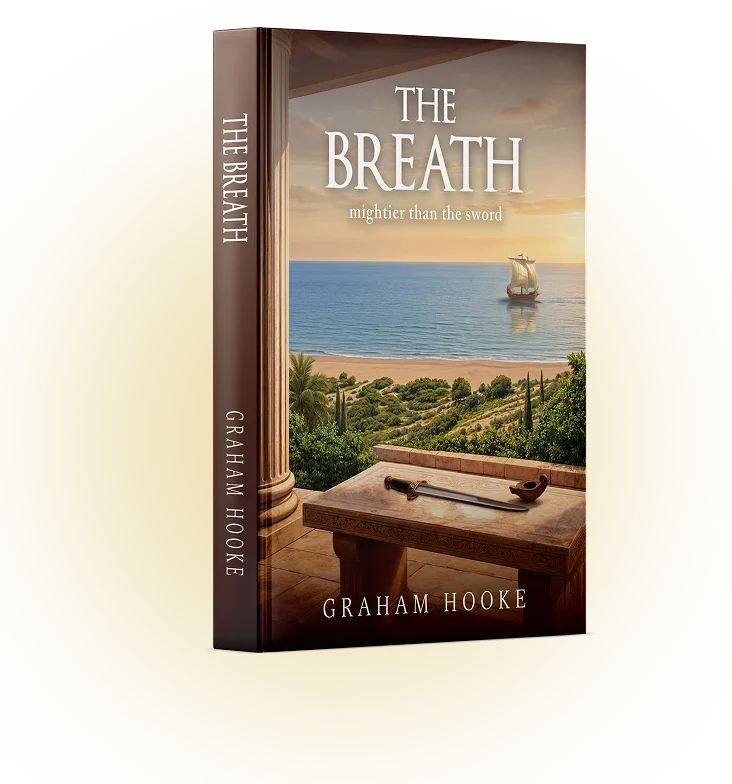
In Graham Hooke’s account of a Roman soldier living in Judaea, Marcellinus participates in the brutal suppression of Jewish protesters. His orders come from above, but the harm is done by his own hands. He later has to confront how easily loyalty and fear can turn ordinary people into agents of violence.
The story points toward an uncomfortable truth: inherited hostility becomes especially dangerous when people stop questioning the part they themselves play in it.
REFUSING TO ANSWER HARM WITH HARM
In The Breath, Marcellinus faces a more personal test when Mary, his wife, dies after violence in the marketplace of Caesarea. His anger at the Roman governor and the soldiers involved is intense. Revenge would be understandable as an impulse, but he resists it.
His restraint is not based on forgetting what happened. He remembers his own earlier brutality against civilians. That recognition does not excuse Mary’s death; instead, it makes him more conscious of what retaliation could turn him into.
For people carrying genuine hurt, this distinction matters. Forgiveness does not require approving injustice, suppressing grief or abandoning the search for accountability. It means refusing to let another person’s wrongdoing dictate one’s own next act.
PEACE IS NOT THE SAME AS SURRENDER
Graham Hooke also portrays Mary joining unarmed Jewish resistance when Emperor Caligula plans to place his image in the Jerusalem Temple. She refuses to compromise her conscience, even when Roman power threatens her safety.
Later, the Christian leader Joseph acknowledges that important principles can clash and that peace is not always possible. He nevertheless rejects violence as a response, drawing upon Yeshua’s teachings about loving enemies and praying for persecutors.
There is a vital difference between keeping quiet to avoid discomfort and challenging injustice without becoming cruel. Choosing peace can require speaking firmly, accepting consequences and refusing the easier language of threat.
BREAKING THE PATTERN FOR THE NEXT GENERATION
In The Breath, Philip describes Samarian believers who grew up with hostility toward Jews. Their resentment came from generations of perceived rejection. Embracing the Way of Yeshua and the transforming presence of the sacred Breath helps them move beyond that inheritance and reject participation in war.
The change is not effortless, nor does it erase history. It requires a different response to an old grievance.
That remains a practical challenge in families, workplaces and divided communities. Before repeating a damaging story, ask whether it is based on personal knowledge or inherited suspicion. Before responding to injury, consider whether the response will protect dignity or merely produce another victim.
Peace does not guarantee agreement or erase what has been lost. Sometimes its greatest act of courage is to stop passing the injury forward.
Read the book on Amazon: https://a.co/d/0bUn7xwq
Amazon UK link: https://www.amazon.co.uk/s?k=the+breath+graham+hooke