The Breath – Historical Connections Series
Extract:
“Gaius Marcellinus, venite!”
It was the commander, Centurion Longinus, standing at the far end of the portico.
“Septimus has brought reports of a disturbance on the southern steps of the Temple. A crowd is gathering. Go with Septimus and your contubernium. Don’t let it get out of hand. There’s too much at stake right now while the Jews hold their harvest feast.”
Sighing inwardly, I jumped to my feet. Centurion Longinus didn’t tolerate lethargy, or anything less than an instant reaction to his commands, but I would have appreciated a few more minutes to finish my game of checkers with Fabius. I was winning, for once, and now my chance was gone. This was a strange time for a disturbance. It was barely nine o’clock in the morning.
“Fabius, on your feet. The game will have to wait. Join Septimus and me at the bottom of the Fortress steps down to the Temple. Call Tertius and Marcus.”
Fabius groaned but sprang into action, kicking the remaining pieces of our game across the stone floor down the length of the portico. He was never one to shirk the call of duty, especially if it meant staving off defeat in a game with his arch-rival and closest compatriot!
“Septimus, you choose your moments to bring news of a disturbance!” I complained to him as we left the Fortress.
Septimus looked at me quizzically.
“It was just a game, Septimus!” interjected Fabius. “He takes things far too seriously.” “Just a game…” I muttered, hackles rising. “For once, I was winning!”
Striding out along the Western wall of the Temple, I looked up at the great arch above us. The footsteps and chatter of multitudes filled the air as they made their way to fulfil their religious duties in the Temple courts.
I grasped my gladius and braced myself for whatever we might face. I was ready for anything.
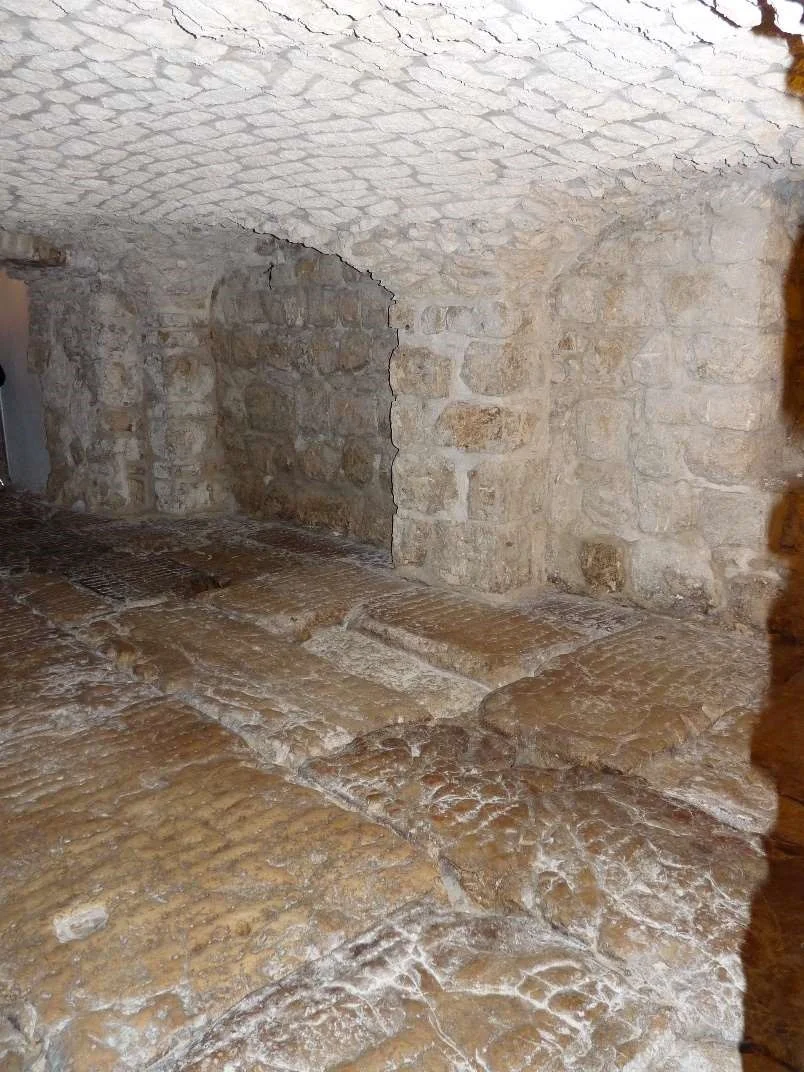
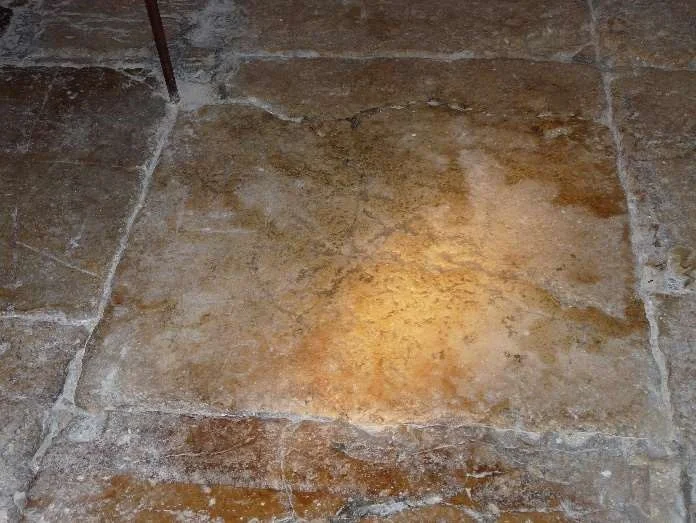
This is the 2nd Century stone floor of a Roman forum built close to the site of the Antonia Fortress where Roman soldiers used to play games. It is known as the Lithostrotos (Greek for “pavement”), located beneath the
Ecce Homo Convent and the Church of the Condemnation in Jerusalem. The intricate grooved markings etched on the ancient stone slabs form a grid for a Roman dice and board game known as the “King’s Game” or Basileus
(Greek for King) as indicated by the B in the centre. It was likely used by off-duty Roman guards. Parallel grooves were probably cut to help prevent horses from slipping.
Christian tradition had identified this as the judgment seat where Pontius Pilate condemned Jesus (the Praetorium), but modern historians think this floor was installed by Emperor Hadrian in the 2nd Century AD, decades after the Antonia Fortress was destroyed in 70 AD.